


Sales Engineer (Field Service Germany and Austria)
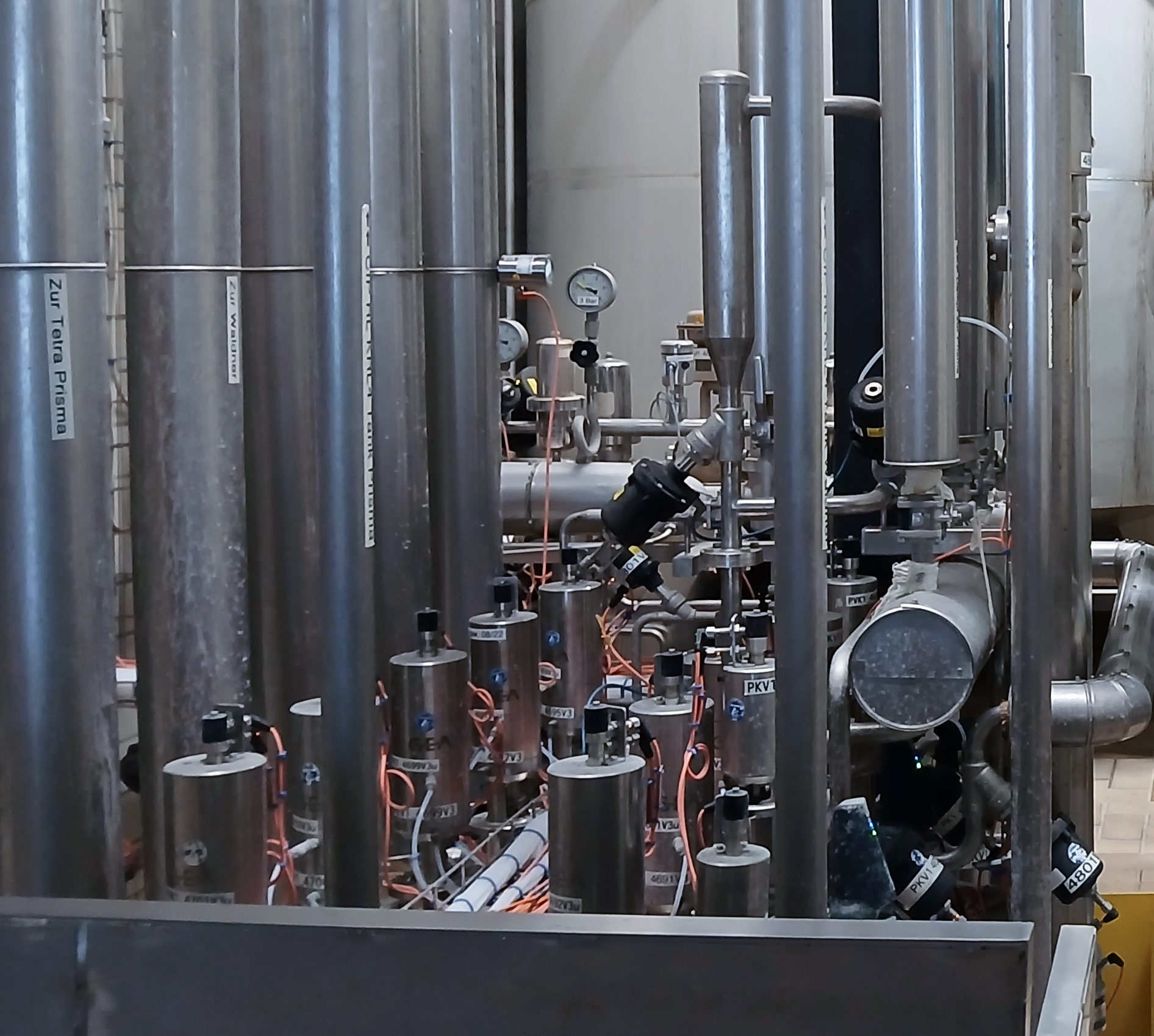
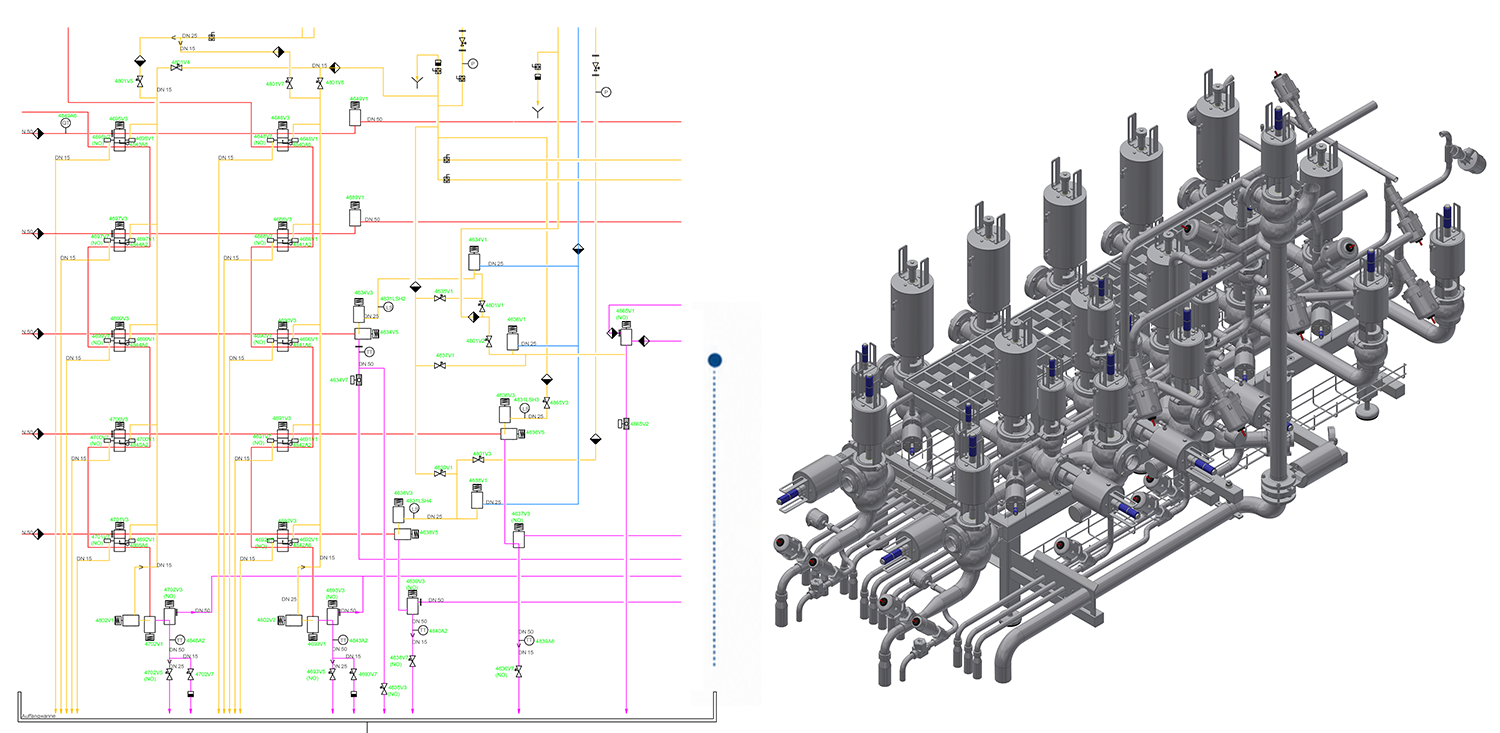
The customer had an existing valve manifold installed, which had established itself in process operation over a long period of time, but was in need of optimization due to its age and recurring cleaning cycles. Against this background, the aim of the project was to implement an efficient modernization of the existing sterile node without making extensive changes to the existing system. As part of this, the system design was further developed in a targeted manner, in particular by optimizing the piping layout and improving accessibility for maintenance work on the sterile node.

"For us as a full-service provider, the retrofit shows how measurable improvements can be achieved quickly and efficiently through the targeted replacement of the sterile node, even under time pressure during downtime. The entire project was only possible thanks to the full commitment of our team and the close cooperation with the customer and our long-standing partner Planemos."
Evelyn Tausch, M.Sc.
Technical sales and project planning
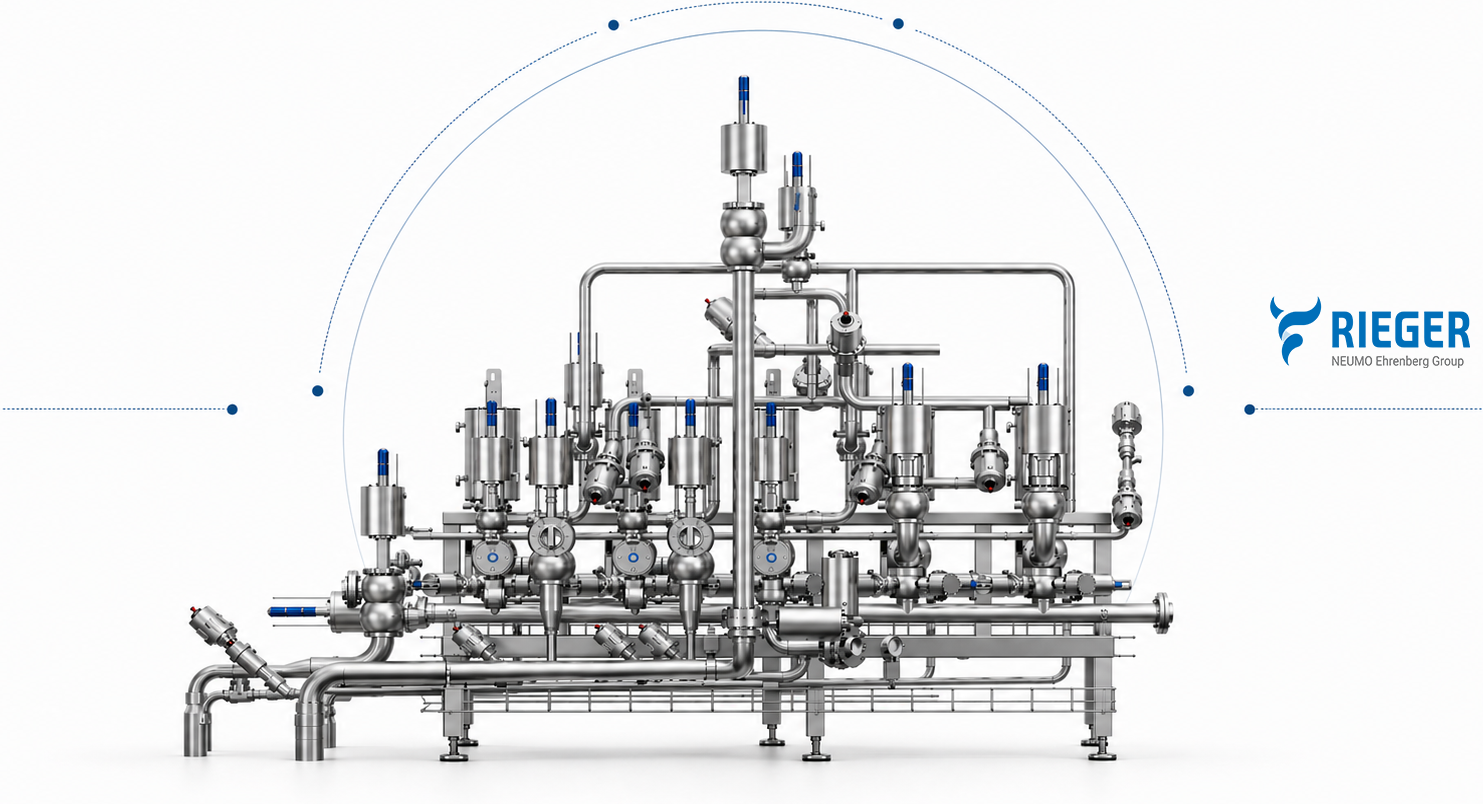
Based on the inventory, Rieger developed a customer-specific sterile node that was precisely matched to the existing connection positions in the 3D model. As we mill the housings from high-quality solid material, we are extremely flexible in the design of the housings and the pipe routing and were able to adopt the existing pipe and valve routing of the system - customer-specific solutions make this possible without any problems.
It was therefore possible to integrate angle valves with specially adapted housings, which are constructed according to hygienic design criteria so that the lines can be completely drained. The Rieger aseptic double-seat valves type N7 form the heart of the system. Thanks to the aseptic design and the one-piece PTFE diaphragm, it was possible to dispense with high-maintenance metal bellows, which reduced the sterilization temperature and thus lowered the energy costs during operation.
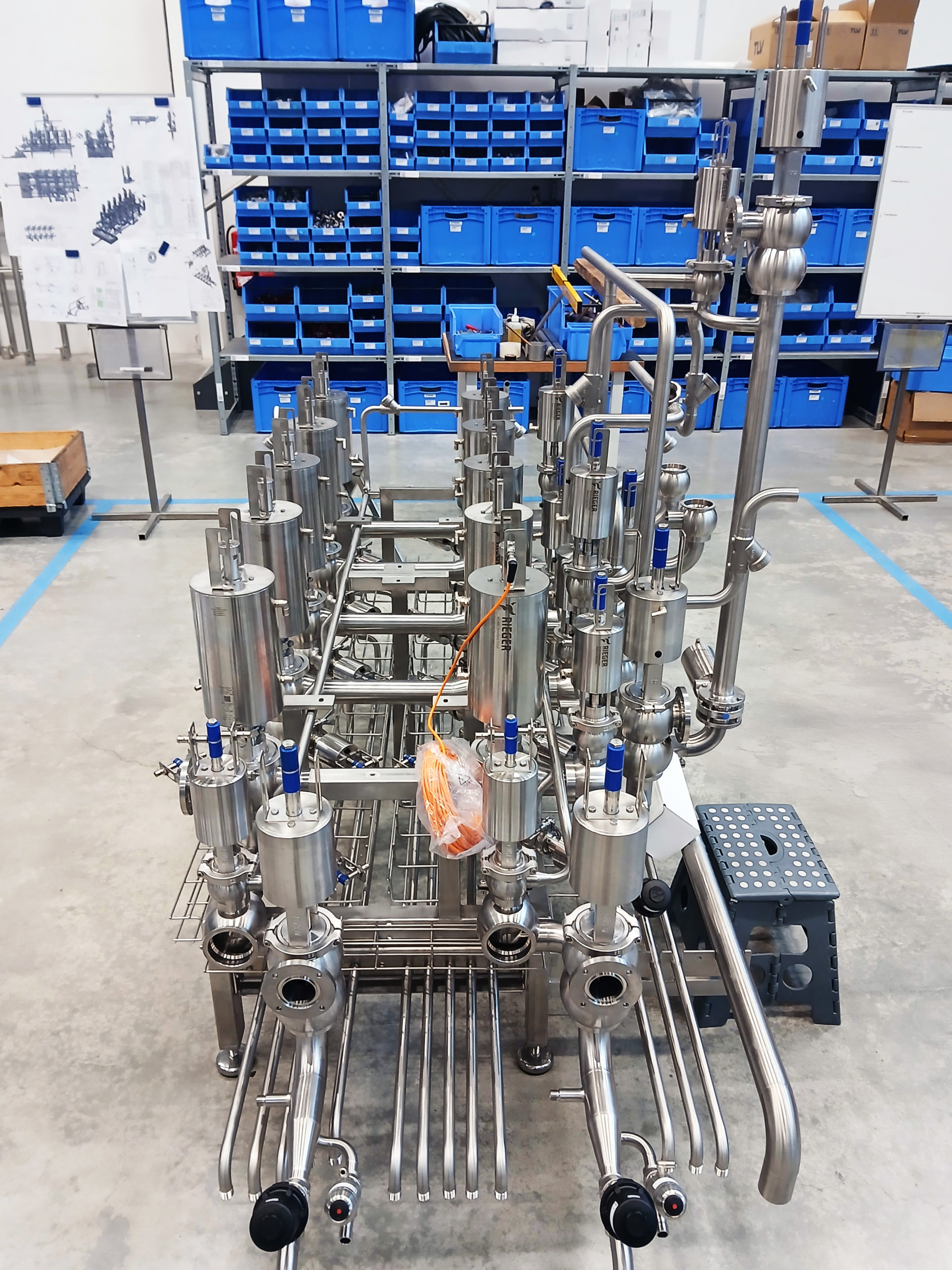
The new sterile node was realized as a compact, prefabricated unit in the Rieger production halls. The welding work was carried out using orbital welding technology and all components were carefully aligned to ensure consistently high production quality.
The prefabricated sterile node unit was quickly brought into the production hall. The existing node was cut out at defined points so that the new sterile node could be seamlessly connected to the existing piping. The pneumatic and electrical connection was carried out in parallel with the mechanical work - a challenging task that was implemented efficiently in a confined space. All valves, sensors and actuators were carefully installed and integrated into the control cabinet by the Rieger electrical installation team.
Once the mechanical and electrical work had been completed, the system was commissioned together. A comprehensive I/O check ensured that all valves and sensors were functioning correctly and that the signal transmission was faultless. The process was then started step by step: First the CIP cleaning process, followed by the sterilization of the system. After successful validation, production could be resumed as planned. Since then, the system has been used reliably for the production of a UHT coffee-milk mixed drink.
The new sterile node offers the customer a compact, aseptic, optimized solution that fits perfectly into the existing system. Prefabrication accelerated assembly and installation on site. Overall, the new sterile node reduces production downtimes to a minimum. At the same time, the new design allows a lower sterilization temperature, which reduces the operating costs of the steam supply. With complete project support - from planning and production to commissioning - Rieger was able to implement a coherent, efficient solution and support the customer right through to the successful start of production.